





Perspectives on Business Management with Metal Forming Company Execs
June 12, 2024Comments
Since January 2021, MetalForming magazine has conducted several Q&A sessions with executives at metal stamping and fabricating companies, providing an inside look at their management philosophies, and sharing their daily challenges and strategies for facing them. Here we present highlights from two such interviews; to be interviewed for this column, email editorial director Brad Kuvin, bkuvin@pma.org.
Q: What are two things that you believe your company is doing well?
Jim Burt, president, Ernst Metal Technologies, LLC, Moraine, OH
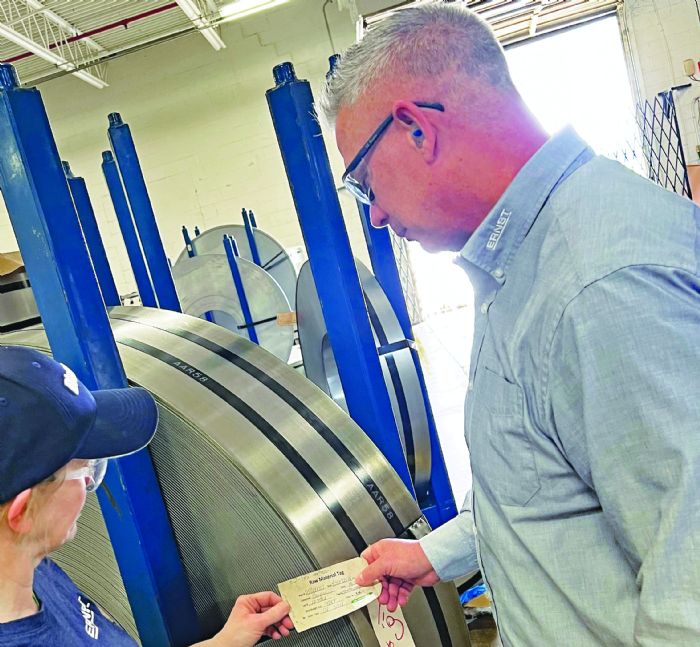 “We have invested a great deal of time, energy and resources into finding ways to better support our employees and the surrounding communities. As an organization, Ernst is very focused on continuous improvement and implementing best practices. A recent example is the development of a press-operator training and incentive initiative, which ties merit increases to training progress. The program uses inhouse materials in combination with PMA’s METALFORM EDU platform.
“A stamping operator needs years of experience to become truly proficient. This seems to be a great vulnerability of our organization, as company performance hinges on our operators’ knowledge, motivation, engagement and passion. Recognizing this vulnerability led to the creation of the training program, which features a 16-tier compensation plan and pay increases tied to each defined skill level.
“This new plan is the carrot of positive motivation to get operators cross-trained and up-trained, and has been instrumental in increasing engagement with our most important hourly team. It has yielded impressive results.”
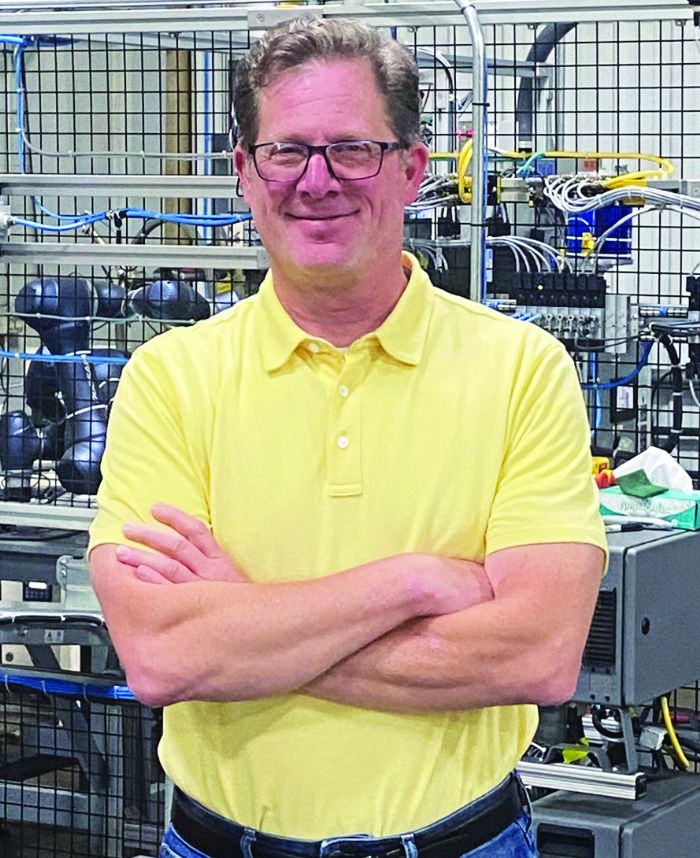 “We do an outstanding job of executing on strategic-growth initiatives. We have a process for proactively addressing lessons learned and improving our value to customers by increasing our investment in automation and in other critical processes. We have been an EOS (Entrepreneurial Operating System) company for several years. That system outlines six key business components: vision, people, data, issues, process and traction. Following the EOS philosophy, we look closely at our vision and goals—2, 3 and 4 yr. out—identify our challenges and gaps, and work to ensure that our team members are in the right spots and have opportunities for advancement.